
Climate Solutions in Practice: From Insight to Impact
Highlights and takeaways from our April 11 discussion on clean energy, local policy, and community action
Key insights on emissions, clean energy, and local action
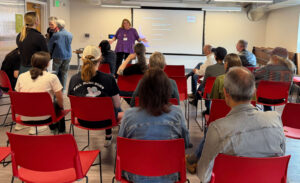
On April 11, our group came together for a discussion on climate solutions, featuring a presentation from Climate Solutions Executive and Educator, Angie Fyfe. The conversation focused on both the scale of the challenge and the very real opportunities we have to make an impact locally.
Understanding the Problem—and the Opportunity
Climate change is driven by a straightforward mechanism: solar energy absorbed by the Earth is increasingly trapped by rising CO₂ concentrations, warming the planet. But as Angie emphasized, human-caused problems also have human solutions.
The encouraging news is that many of those solutions are already within reach.
Where Emissions Come From
In Denver, buildings and transportation together account for roughly two-thirds of total emissions. The largest contributors include:
Commercial electricity use (28%)
Gasoline-powered vehicles (20%)
These numbers highlight where change can have the greatest impact—and where solutions are already emerging.

Clean Energy Is Rapidly Expanding
The economics of clean energy have shifted dramatically. Solar panel costs have fallen by roughly 99% since 1975, making renewable energy far more accessible than ever before.
Looking ahead, the U.S. is expected to get approximately 93% of its new generating capacity in 2026 from solar, wind, and battery storage. This transition is already underway and accelerating.
Local Resources and Policy Momentum
Colorado and Denver offer a growing set of tools and policies to support climate action:
• The Colorado Energy Office provides guidance on heat pumps, solar, and efficiency upgrades
• Power Ahead Colorado offers resources for electrification and clean energy adoption
• Denver’s Green Buildings Ordinance is driving improvements in building performance
• State legislation is beginning to address emerging issues like data center energy use and balcony solar
These efforts show that policy and infrastructure are moving in the right direction.
Taking Action at the Neighborhood Level
In addition to large-scale changes, there are many ways to take action locally. During the meeting, participants shared ideas including:
• Exploring programs at Denvergov.org/climateproject (including water conservation efforts)
• Monitoring decisions by the Public Utilities Commission
• Installing a “Garden in a Box” through Resource Central
• Biking, composting, and planting native species
These actions may seem small individually, but together they contribute to meaningful change.
Guest Spotlight: Youth Leadership
We were also joined by a guest from Colorado Rising / Youth Rising, who shared their work and ongoing campaign. They are currently gathering support for a petition to plug marginal wells near Colorado schools to protect the health and safety of our children and communities.
Thank you to everyone who participated in the discussion and contributed ideas. The conversation made clear that while the challenge is significant, there are practical, accessible steps we can take—both individually and as a community.